CSM Certification Training: What the Workshop Covers and How It Works
If you work on a Scrum Team, or plan to, the Certified Scrum Master (CSM) credential from Scrum Alliance is one of the most widely recognised starting points for a Scrum Master or Agile Coach career. This guide explains what the CSM credential is, what a CSM workshop covers, how PremierAgile delivers its CSM certification training, what is included with the course, and what happens after the class ends.
What the CSM Credential Is
Certified Scrum Master (CSM) is a certification offered by Scrum Alliance, the certifying body that also publishes the Learning Objectives every CSM course must cover. A CSM course introduces you to the Scrum framework: its accountabilities, events and artifacts, along with a detailed look at the Scrum Master role. As a Certified Scrum Master, your job is to help the Scrum Team perform at its highest level.
The credential follows a two-step model. First, you complete a training delivered by a Scrum Alliance Certified Scrum Trainer (CST). Completing that training makes you eligible to take the CSM exam, which Scrum Alliance administers. Pass the exam and you hold the certification, together with a Scrum Alliance membership. The certification is an initial step if you are implementing Agile or pursuing a Scrum Master or Agile Coach career, and it is a foundation for the advanced levels that come later.
Why the Trainer Matters
Scrum Alliance does not let just anyone teach a CSM course. The workshop must be delivered by a Certified Scrum Trainer, a practitioner Scrum Alliance has vetted for both Scrum knowledge and teaching ability. That is what makes the workshop hours count toward exam eligibility.
PremierAgile's CSM program is led by Suresh Konduru, the company's Founder-CEO and a Certified Scrum Trainer. His profile describes more than two decades of work in Agile transformation, Scrum coaching and program management with Fortune 500 clients, and a teaching style built on "Training Scrum from the Back of the Room" using Brain Science principles. He is also the author of AGILE51 Success Factors, a book on what makes good teams great.
What the Workshop Covers
The curriculum covers the Learning Objectives set by Scrum Alliance for Certified Scrum Master training. These Learning Objectives are based on the Agile Manifesto, the Scrum Guide 2020 and feedback from Scrum Alliance Coaches and Trainers, and they are designed by Scrum Alliance based on Bloom's taxonomy. In practice, the workshop moves through four areas.
Scrum accountabilities
Scrum defines three accountabilities. The Product Owner owns the product direction and orders the Product Backlog so the team works on what matters most. The Developers turn backlog items into a usable Increment every Sprint. The Scrum Master serves the team and the organisation by making sure Scrum is understood and enacted, removing impediments and protecting the team's focus. The workshop explains how the three accountabilities interact, and where the Scrum Master fits when a team struggles.
Scrum events
You learn the purpose of each event in the Sprint cycle: Sprint Planning, where the team decides what it can deliver and how; the Daily Scrum, a short synchronisation for the Developers; the Sprint Review, where the Increment is inspected with stakeholders; and the Sprint Retrospective, where the team inspects itself and plans improvements. The Sprint itself is the container that gives all of this a fixed rhythm.
Every event in Scrum is timeboxed: it has a maximum length, and the Sprint has a fixed length of one month or less. That discipline is deliberate. Short, regular cycles keep feedback frequent, stop planning sessions from expanding, and give the team a steady heartbeat to improve against. In the workshop you experience this rather than just hear it, because the class activities run against the same kind of timeboxes.
Scrum artifacts
The workshop covers the three artifacts: the Product Backlog, the single ordered source of everything the product might need; the Sprint Backlog, the team's plan for the current Sprint; and the Increment, the sum of completed work that is ready to use. Each artifact carries a commitment that gives it focus: the Product Goal for the Product Backlog, the Sprint Goal for the Sprint Backlog, and the Definition of Done for the Increment, which is the shared standard that tells everyone when work is actually complete.
Facilitation and coaching skills
Because a Scrum Master creates high-performing teams and organisations, the course goes beyond the mechanics of the framework. You learn the skills of facilitation and coaching: how to run events people find useful, how to ask questions instead of giving answers, and how to help a team work through conflict on its own.
Throughout, the emphasis is on applying Scrum in both software and non-software product development situations, so the concepts travel back to your real projects.
How PremierAgile Runs the Class
PremierAgile's CSM training is a complete hands-on workshop, run over two or three days. It is designed to be interactive and immersive, so you can apply what you learn in your projects and product development work immediately after the class. The training is delivered by an experienced Scrum Alliance Certified Scrum Trainer.
The classroom style is built around five ideas, each described on the course page:
- Visual storytelling - Agile concepts are brought to life through compelling visuals and real-world stories that make learning memorable.
- Collaboration and gamification - hands-on activities and interactive games foster teamwork and keep every participant engaged.
- Brain science-based learning - neuroscience principles are applied to enhance understanding, retention and practical application.
- Zero PPT sessions - instead of passive slide presentations, the class uses dynamic discussions and immersive experiences for better comprehension.
- Interactive learning experience - every session is designed to be participatory, so learning is not just theoretical but deeply experiential.
Practical knowledge is built through role plays, case studies and simulations, so you practise the Scrum Master stance rather than only hearing about it.
Formats and Cities
The CSM workshop runs in two formats: live virtual classes you can join from anywhere, and classroom sessions. Classroom batches are scheduled across India, including Bengaluru, Hyderabad, Chennai, Pune, Mumbai, New Delhi, Ahmedabad, Kolkata and many other cities. The global training calendar lists upcoming dates by city and format, and if you cannot find a convenient date you can enquire directly with the team.
For organisations, PremierAgile runs corporate CSM training for teams, alongside corporate CSPO programs, so a whole team or department can certify together with examples drawn from its own context.
What Is Included
PremierAgile's CSM training includes:
- Classroom or live virtual training and certification
- Practical knowledge with role plays, case studies and simulations
- Training by an experienced Scrum Alliance Certified Scrum Trainer (CST)
- The Scrum Alliance exam fee
- 20 SEUs and 20 PDUs
- A 2-year membership with Scrum Alliance
- Free access to several resources for continuous learning
Learning does not stop when the class ends. Participants can keep going through PremierAgile's community resources: PremierWednesday sessions, Scrum and Agile quizzes, learning shorts, downloads and non-IT case studies that show Scrum working outside software teams.
Who Should Attend
The course is appropriate for anyone who wants to be successful with Scrum, including but not limited to:
- Scrum Masters and Agile Coaches
- Product Owners and Product Managers
- New Scrum Team members
- Project Managers, Release Managers and Portfolio Managers
- Business Analysts, Technical Architects and Testers
- Departmental Leads and Product Management Leads
It also suits anyone who desires a foundational education and wishes to explore the benefits of Agile and Scrum, including its values, principles and practices. You do not need to be working on a Scrum Team today; the workshop is a starting point for people moving into the role as well as for practitioners formalising what they already do.
CSM or CSPO: Which One First?
Scrum Alliance's two entry-level certifications map to the two accountabilities people most often grow into. The CSM is built around the Scrum Master accountability: facilitation, coaching, removing impediments and helping the team live the framework. The Certified Scrum Product Owner (CSPO) is built around the Product Owner accountability: owning the product vision, ordering the Product Backlog and working with stakeholders on what gets built.
If your day is spent helping a team work better, start with the CSM. If your day is spent deciding what the team should build, start with the CSPO. Many professionals eventually hold both, and the order matters less than starting with the role closest to your work.
Preparing for the CSM Exam
The workshop itself is the preparation. Because the class is participatory, you spend the two or three days working through the framework rather than memorising slides. After the training, Scrum Alliance makes the exam available to you, and the included exam fee means there is no extra payment step before you sit it. After the workshop, Scrum Alliance gives you access to the exam and you take it online at a time that suits you. If you want to keep practising between the class and the exam, PremierAgile's Scrum and Agile quizzes and learning shorts are free ways to test your recall.
Understanding SEUs, PDUs and Renewal
SEUs are Scrum Education Units, the credits Scrum Alliance uses for certification renewal; PDUs are the equivalent Professional Development Units used in the project management world. The CSM course earns you 20 of each. Your certification includes a 2-year Scrum Alliance membership, after which Scrum Alliance's renewal policy applies: renewal is based on continuing education credits, which is why the SEUs you earn along the way matter. PremierAgile's continuous learning resources exist partly so that earning those credits stays easy after the class.
Career Support Beyond the Certificate
PremierAgile pairs its training with career resources on the same platform. If you are moving into a Scrum Master role, you can use the resume services, practise with the published interview questions, and join career mentoring sessions. These sit alongside the course rather than replacing it: the workshop builds the skill, and the career resources help you present it.
Scrum Beyond Software
Scrum started in software, but the framework is now used well beyond IT. The CSM curriculum explicitly addresses applying Scrum in non-software product development situations, and PremierAgile maintains a library of non-IT case studies showing how Agile ways of working translate to other industries. If your team builds something other than code, the workshop examples still apply: the accountabilities, events and artifacts stay the same, only the product changes.
The Advanced Pathway in Detail
Once the CSM is in hand, each next step goes deeper into one accountability or skill area:
- The Advanced Certified Scrum Master (A-CSM) builds on the CSM for practising Scrum Masters who want stronger facilitation, coaching and scaling skills.
- The Advanced Certified Scrum Product Owner does the same for Product Owners who already hold the CSPO.
- The Certified Scrum Professional level recognises deeper, proven practice.
- The AI-Agile certification courses combine the Scrum Master or Product Owner role with applied AI skills.
- The Certified Agile Scaling Practitioner course addresses coordination when many teams work on one product.
- Certified Agile Leader 1 (CAL 1) is aimed at leaders building an Agile organisation rather than running one team.
How to Enrol
Pick your format and city on the global training calendar, then reserve your seat through the Quick Book page. If none of the listed dates work, or you want a batch for your organisation, use the Contact Us page and the team will help you find or plan one.
Frequently Asked Questions
Who teaches the CSM workshop?
The training is delivered by an experienced Scrum Alliance Certified Scrum Trainer (CST). PremierAgile's trainer for the CSM program is Suresh Konduru.
Is the workshop theoretical or hands-on?
It is a complete hands-on workshop. Learning happens through role plays, case studies, simulations, games and discussion rather than slide presentations, so you can apply the material right after the class.
Can I attend online?
Yes. The CSM workshop runs both as live virtual classes and as classroom sessions in cities across India.
What do I get along with the training?
The Scrum Alliance exam fee, 20 SEUs, 20 PDUs, a 2-year Scrum Alliance membership and free access to continuous learning resources are included.
Do I need experience to join?
The course is open to anyone who wants to be successful with Scrum, from new team members to senior managers. Completing the CST-led workshop is what makes you eligible for the CSM exam.
What is the difference between the CSM and the CSPO?
The CSM focuses on the Scrum Master accountability (facilitation, coaching, team health), while the CSPO focuses on the Product Owner accountability (product vision and backlog). PremierAgile offers both, and many professionals take the two in either order.
I already hold a CSPO. Can I still do the CSM?
Yes. If you completed the CSPO earlier and do the CSM now, Scrum Alliance's renewal process covers renewing your certifications; the PremierAgile team can guide you on the specifics.
Can my whole team attend together?
Yes. The corporate CSM program trains teams and departments together, and the corporate CSPO program does the same for product roles.
About PremierAgile
PremierAgile Consulting Private Limited runs Agile and Scrum training, corporate programs and career services, with offices in Hyderabad (JP Nagar, Miyapur) and Bengaluru (Marathahalli) in India and Austin, TX in the USA. Beyond certification courses, the platform includes PremierAccelerate career services, a blog covering Agile, Scrum, Kanban, scaling, product and project management, and the community learning resources listed above.
Where are classroom batches held?
Classroom batches run in cities across India, including Bengaluru, Hyderabad, Chennai, Pune, Mumbai, New Delhi, Ahmedabad and Kolkata; the training calendar lists the current schedule, and live virtual batches are always an option.
What if my plans change after booking?
PremierAgile publishes a refund and cancellation policy on its website that covers rescheduling and refunds; check it for the terms that apply to your batch.
I work outside IT. Is the CSM still relevant?
Yes. The course addresses applying Scrum in non-software product development, and the accountabilities, events and artifacts work the same way whatever the product is. The non-IT case studies on the PremierAgile site show examples from other industries.
Conclusion
A CSM credential starts with the right workshop: one that covers the Scrum Alliance Learning Objectives and gives you room to practise the Scrum Master role, not just read about it. PremierAgile's CSM certification training combines a CST-led curriculum with an interactive, hands-on classroom style, in live virtual and classroom formats across India, with the exam fee, membership and continuing-learning resources included. To see upcoming batches or ask a question, visit the CSM training page or reach the team through the Contact Us page.
Author
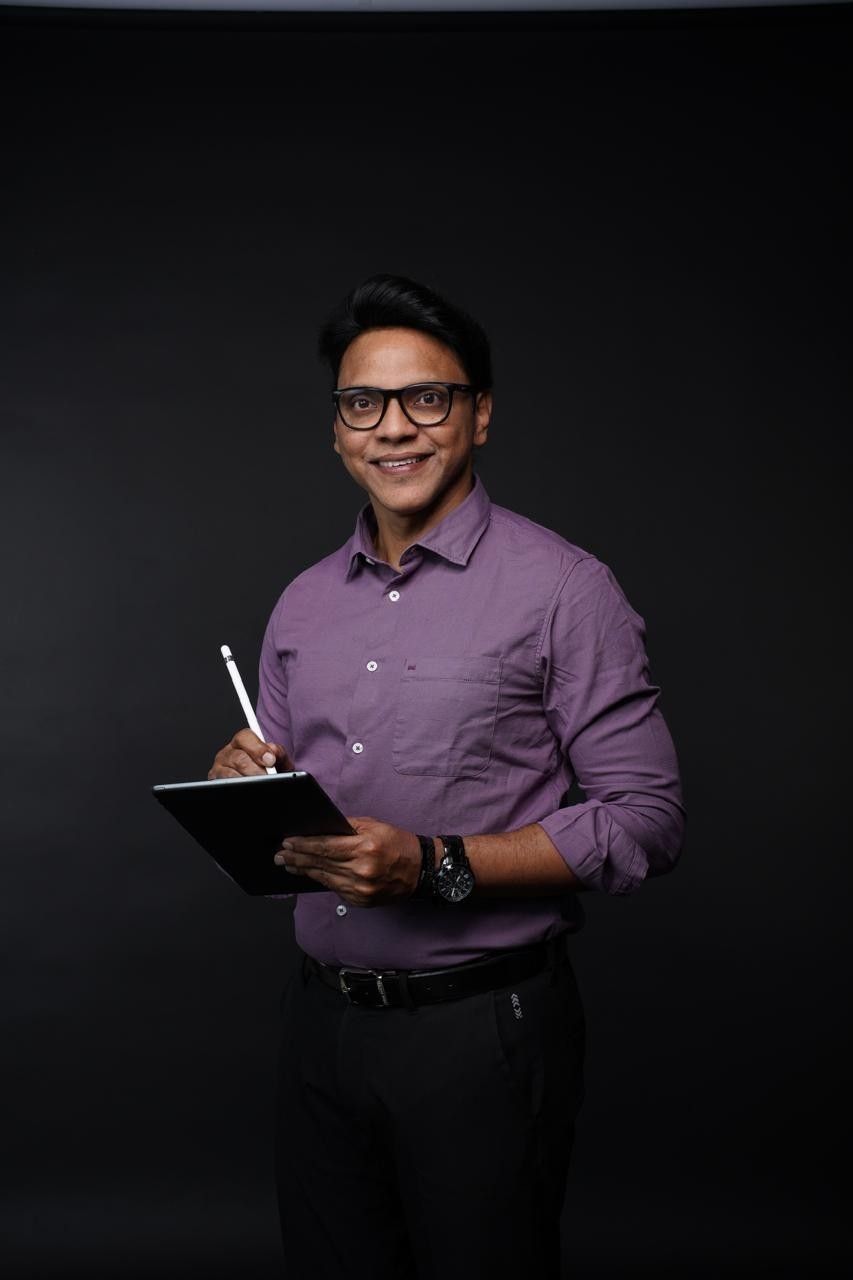
Suresh Konduru
Suresh Konduru brings over 25 years of experience in Agile Transformation, Scrum Coaching, and Program Management, working with Fortune 500 clients. A top Certified Scrum Trainer at Scrum Alliance, he specializes in "Training Scrum from the Back of the Room" using Brain Science principles. Suresh is passionate about driving enterprise transformations and nurturing leadership, coaching organizations, teams, and individuals worldwide.